🏭 Turnkey Limestone Grinding Solutions | 200–2500 Mesh | Get Free Design Today β†’

Limestone Grinding Mill

Which mill is best for your limestone grinding project? Compare Raymond Mill, Vertical Mill, and Ultrafine Mill β€” find the right solution for your fineness and capacity requirements.

Mill Selection Guide

Choosing the Right Limestone Grinding Mill

Not all limestone grinding mills are equal. The best choice depends on your target output fineness, required capacity, available budget, and end-use application. This guide will help you decide.

Quick Selection Guide

Mill Type Output Fineness Capacity Range Best Application Investment Cost Energy Use
Raymond Mill (MTW) 80 – 325 mesh 1 – 20 TPH FGD, Cement, General Low Low
Vertical Mill (LM) 80 – 600 mesh 5 – 100 TPH Large-scale Production Medium–High Low (30% less than ball mill)
SCM Ultrafine Mill 325 – 2500 mesh 0.5 – 10 TPH Calcium Carbonate, Coatings Medium Medium
Ball Mill 50 – 325 mesh 5 – 50 TPH Wet grinding, Mining Low–Medium High
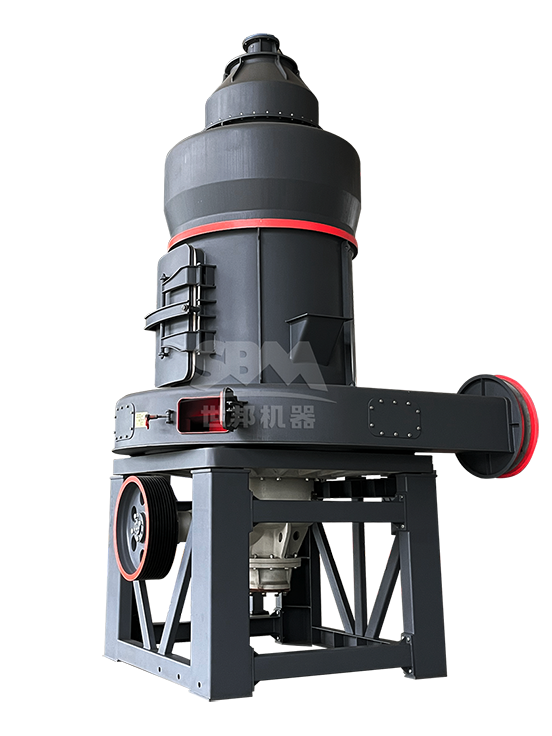
MTW-Series Raymond Mill
Most Cost-Effective

Raymond Mill (MTW-Series)

The Raymond mill is the most widely used limestone grinding equipment for medium-fineness applications. Its mature technology, low investment cost, and stable performance make it the go-to choice for FGD powder, cement admixtures, and general-purpose limestone powder production.

Output Fineness
80–325 mesh (44–180ΞΌm)
Capacity
1–20 TPH (per unit)
Feed Size
≀50mm
Moisture Limit
≀6%
Main Models
MTW115G, MTW145G, MTW158G, MTW178G, MTW218G
Power Range
55–315 kW

Key Advantages

  • βœ“Low initial investment β€” ideal for startups
  • βœ“Simple structure, easy maintenance
  • βœ“Reliable operation β€” 8000+ hours/year
  • βœ“Low noise and vibration
  • βœ“Easy to adjust output fineness
Recommended for Large Capacity

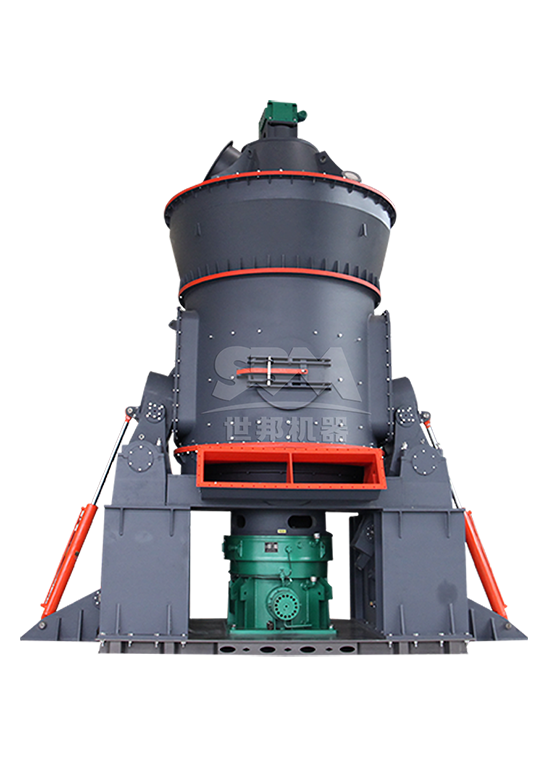
LM Vertical Mill

The LM Series Vertical Roller Mill integrates grinding, classification, drying, and conveying in a single compact unit. It is the preferred choice for large-scale limestone powder production plants requiring high capacity and consistent quality.

Compared to traditional ball mills, vertical mills use 30–40% less energy while handling larger throughput β€” significantly reducing operating costs.
Output Fineness
80–600 mesh
Capacity
5–100 TPH
Feed Size
≀50mm
Moisture Limit
≀15% (with drying)
Main Models
LM130K to LM600K
Power Range
250–4500 kW

Why Choose Vertical Mill?

  • βœ“30–40% energy saving vs. ball mill
  • βœ“Large single-machine capacity (5–100 TPH)
  • βœ“Integrated drying β€” handles wet material
  • βœ“Small footprint, compact layout
  • βœ“Stable fineness control (D97 Β±5%)
LM Series Vertical Roller Mill
SCM Ultrafine Mill
High-Value Products

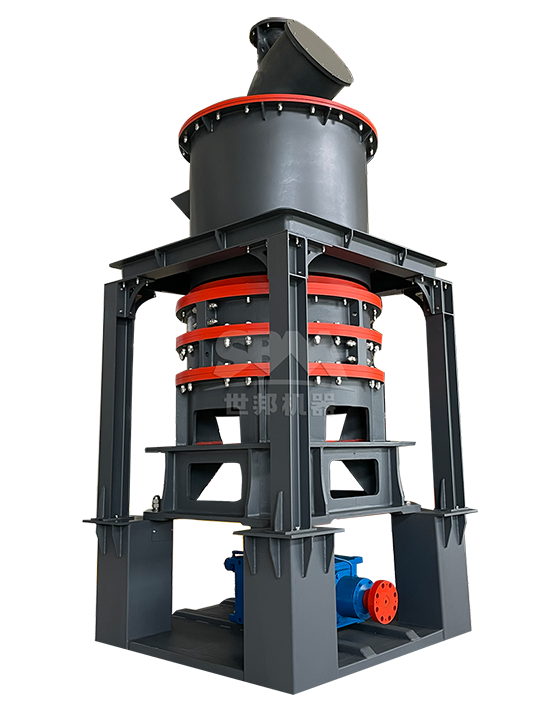
SCM Ultrafine Mill

The SCM Series High-Pressure Micro-powder Mill is designed for producing ultrafine limestone powder (calcium carbonate) from 325 to 2500 mesh. It delivers superior product quality for high-value applications such as plastics, rubber, coatings, and premium paper coating.

Output Fineness
325–2500 mesh (5–45ΞΌm)
Capacity
0.5–10 TPH
Feed Size
≀20mm
BET Surface
Up to 15 mΒ²/g
Main Models
SCM80, SCM100, SCM125
Power Range
75–315 kW

Ideal Applications

  • βœ“PVC & plastic filler (1250 mesh)
  • βœ“Rubber reinforcement (800–1250 mesh)
  • βœ“Premium paper coating (1250–2500 mesh)
  • βœ“High-whiteness coating pigments
  • βœ“Pharmaceutical calcium carbonate
Not Sure Which Mill?

Let Our Engineers Help You Decide

Share your raw material details and requirements β€” we'll recommend the right mill and provide technical data sheets, pricing, and case references.

🎯

Target Fineness

Tell us your required mesh or micron size

πŸ“Š

Production Capacity

Daily or hourly output (tons per hour)

πŸ§ͺ

Material Properties

Moisture content, hardness, source

Get Mill Recommendation πŸ’¬ Ask an Engineer

Limestone Grinding Mill β€” FAQ

What is the difference between Raymond Mill and Vertical Mill?β–Ό
Raymond mills are roller-and-ring type mills suitable for 1–20 TPH capacity, best for fineness up to 325 mesh. Vertical mills (roller mills on a rotating table) are better for high capacity (5–100 TPH), wider fineness range, and have lower energy consumption. For projects over 10 TPH, vertical mills are typically more economical over their lifecycle.
Can I produce 800 mesh or finer limestone with a Raymond Mill?β–Ό
Standard Raymond mills top out at 325 mesh. For 325–800 mesh you would need a modified high-pressure suspension mill or an LM vertical mill with fine classifier. For 800–2500 mesh, the SCM Ultrafine Mill is the correct choice.
How do I determine which capacity I need?β–Ό
Calculate your daily production target first (e.g., 200 tons/day). Divide by operating hours (e.g., 20 hours/day = 10 TPH). Then add a 20% buffer. So for 200 tons/day, target a 12 TPH mill system.
What maintenance does a limestone grinding mill require?β–Ό
Main wear parts are grinding rings/rollers and classifier blades. Raymond mill rollers last 500–800 hours under normal conditions. Vertical mill tires last 8,000–15,000 hours. We supply all wear parts globally within 3–7 days.

Not Sure Which Limestone Grinding Mill to Choose?

Contact us with your requirements β€” our engineers will analyze your project and recommend the optimal solution free of charge.

Get Your Free
Limestone Grinding Solution

Tell us your raw material details and production requirements. Our engineers will design a customized solution for you within 24 hours β€” completely free.

βœ“
Free process flow design & layout drawing
βœ“
Equipment selection & capacity matching
βœ“
Investment cost estimation
βœ“
Reply within 24 hours, 7 days a week

πŸ“‹ Request Free Solution

πŸ”’ Your information is safe. No spam, ever.
Chat on WhatsApp
↑