
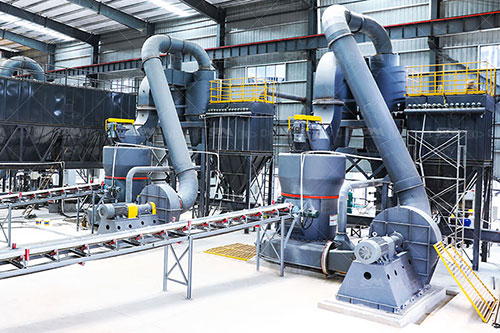
Choosing the best limestone grinding mill is a critical decision for any industrial project. Whether you are producing calcium carbonate powder, supplying materials for construction, or supporting flue gas desulfurization (FGD) systems, the right grinding equipment directly affects your production efficiency, product quality, and operating costs.
In this guide, we will explain how to choose the best limestone grinding mill based on your specific needs, including capacity, fineness, and application.
Types of Limestone Grinding Mills
1. Raymond Mill (Pendulum Mill)
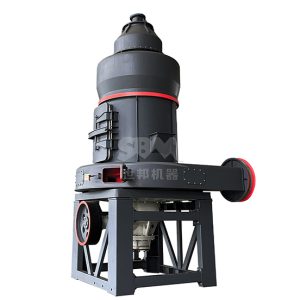
The Raymond mill is one of the most widely used machines for limestone grinding.
Best for:
- 80–325 mesh powder production
- Small to medium capacity plants
Advantages:
- Low investment cost
- Stable performance
- Easy maintenance
Limitations:
- Not suitable for ultra-fine powder
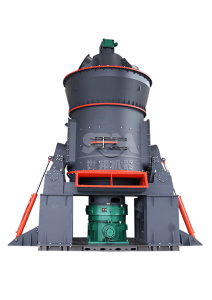
2. Vertical Roller Mill (VRM)
Vertical roller mills are advanced systems widely used in large-scale industrial production.
Best for:
- Large capacity (10–100+ TPH)
- High-efficiency production
Advantages:
- High output and automation
- Lower energy consumption
- Compact system
Limitations:
- Higher initial investment
3. Ultra Fine Grinding Mill
Ultra fine mills are designed for high-end applications requiring very fine powder.
Best for:
- 400–2500 mesh powder
- Calcium carbonate (GCC) production
Advantages:
- High precision fineness control
- Suitable for premium markets
Limitations:
- Higher operating and maintenance requirements
4. Ball Mill
Ball mills are traditional grinding equipment, often used in specific industrial processes.
Best for:
- Wet grinding
- Mixing and special applications
Advantages:
- Simple structure
- Flexible operation
Limitations:
- High energy consumption
- Lower efficiency compared to modern mills
Key Factors to Consider When Choosing a Limestone Grinding Mill
1. Required Fineness
- 80–200 mesh → Raymond mill
- 200–400 mesh → Raymond or vertical mill
- 400–2500 mesh → Ultra fine grinding mill
2. Production Capacity
- Small scale (<10 TPH) → Raymond mill
- Medium scale (10–50 TPH) → Vertical roller mill
- Large scale (>50 TPH) → VRM system
3. Application Industry
- Construction materials → Standard grinding mills
- Calcium carbonate production → Ultra fine mill
- FGD (power plant) → High-capacity vertical mill
4. Budget and Investment
- Limited budget → Raymond mill
- Long-term ROI → Vertical roller mill
- High-end product → Ultra fine mill
Which Limestone Grinding Mill Is the Best?
There is no single “best” machine for all cases. The ideal choice depends on your specific requirements:
- For low-cost, stable production: Raymond mill
- For large-scale, high-efficiency plants: Vertical roller mill
- For ultra-fine, high-value products: Ultra fine grinding mill
Typical Limestone Grinding Plant Process
A complete limestone grinding plant usually includes:
- Crushing (jaw crusher / hammer crusher)
- Grinding (main mill system)
- Classification (powder separator)
- Dust collection (bag filter)
- Packing or bulk loading
How to Choose the Right Supplier
When selecting a limestone grinding mill manufacturer, consider:
- Experience in mineral grinding solutions
- Ability to provide complete plant design
- After-sales service and spare parts support
- Proven projects in your region
Need a Limestone Grinding Solution?
Get a free customized plant design and price quote from our engineers.
Get Free Solution →